


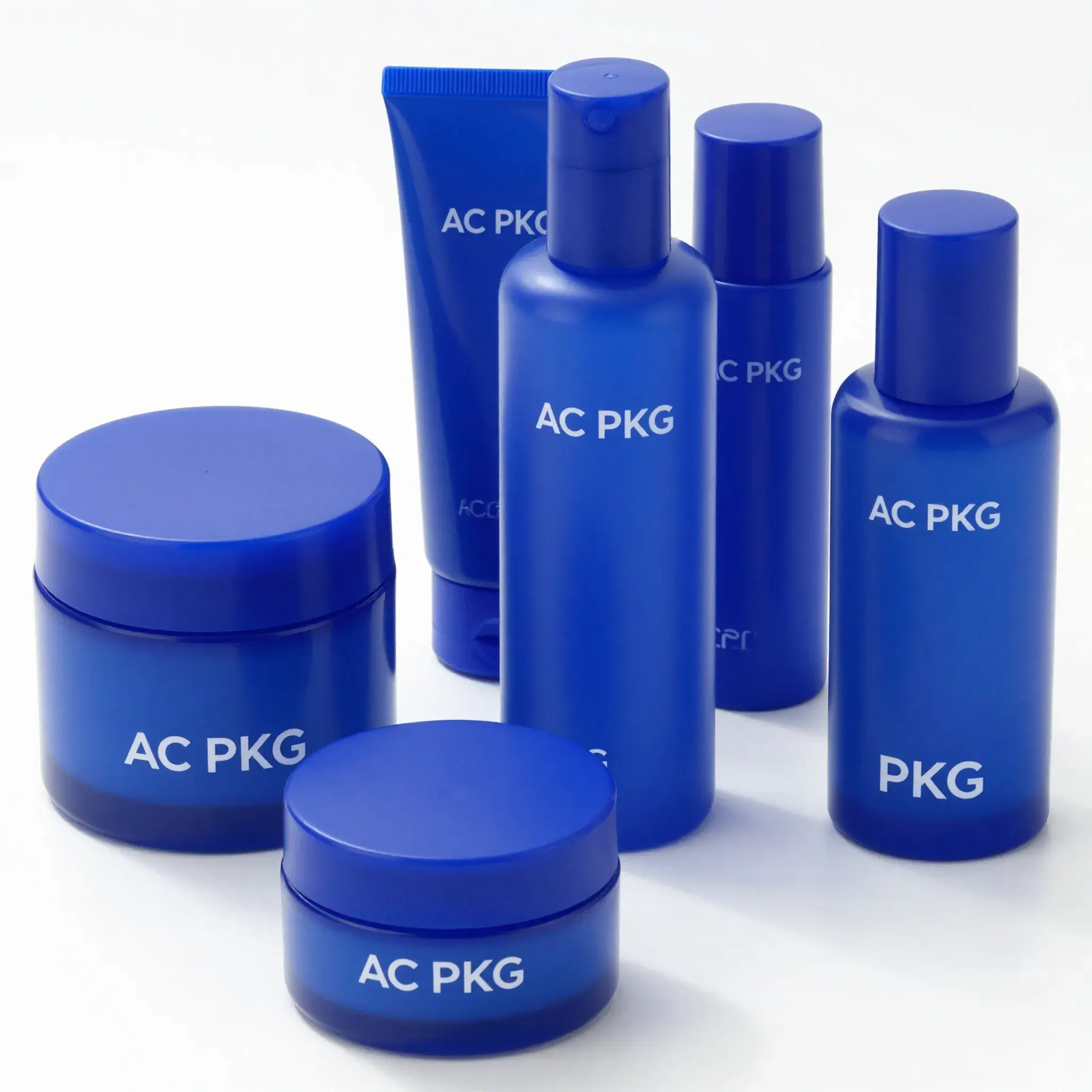
High-Transparency PETG Thick-Wall Bottles: Avoiding Packaging Pitfalls That Can Bankrupt Brands
Byadminn
Content Menu
● Part One: The Material Game—Why PETG Is a Rose with Thorns
● Part Two: The Deep Waters of Manufacturing: Shrinkage and Air Bubbles in Thick-Walled Bottles
● Part Three: Structural Core—The Pump Core is the Soul of the Bottle
● Part Four: The Bottom Line in Testing—Five Core Tests, None Can Be Skipped
● Part Five: Cost & Supply Chain Insights: Survival Strategies for Guangzhou Factories
● AC Packaging’s Quality Control Standards: How We Conduct QC
● FAQ: Common Questions About PETG Thick-Wall Bottles
As a leader in the packaging industry, we provide premium skincare packaging solutions, I’ve witnessed countless brands stumble over PETG thick-wall bottles. Many procurement managers walk into factories asking: “Is your bottle transparent? Is it bright?” Honestly, those who ask such questions are usually outsiders. High transparency and thick walls are merely the entry requirements for high quality packaging PETG bottles. What truly helps you gain a foothold in the market and avoid complaints and returns are the technical details hidden behind transparency.Don’t lecture me about the booming beauty industry—that’s just marketing fluff for investors. For us manufacturers, production accidents are the only reality. Last year, a trendy brand ordered 30ml thick-walled PETG bottles for their serum, chasing that “glass-like” aesthetic. When shipments arrived in northern China’s -20°C winter, 30% of the bottles cracked at the base—costing millions. That’s the price of prioritizing looks over material properties. Today, as an operations cosmetic packaging expert at Guangzhou AC Skincare Packaging, I’ll lay bare the industry’s unspoken rules and pitfall-avoidance guide for thick-walled PETG bottles.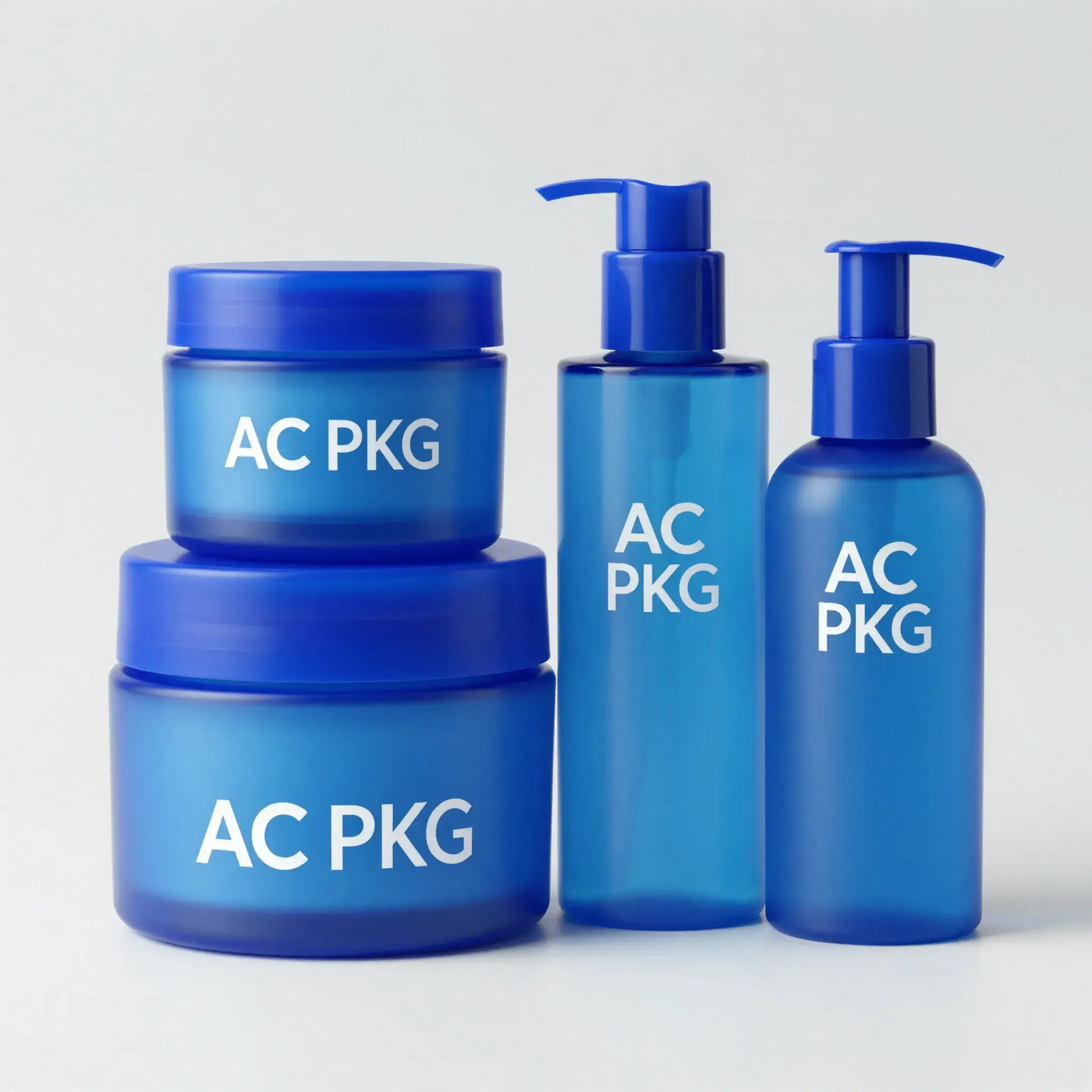
Part One: The Material Game—Why PETG Is a Rose with Thorns
In skincare packaging customization, PETG reigns supreme for serum and lotion bottles due to its glass-like transparency and exceptional thick-wall processing capabilities. But understand this: PETG is a finicky material.Compare it to mainstream alternatives:- PP (Polypropylene) is safest with unmatched chemical resistance, but its cheap plastic look and lack of high transparency make it unsuitable for premium products.- AS (Acrylonitrile-Butadiene) offers great transparency and hardness, yet it’s as brittle as a cookie—slight impacts cause cracks—and its poor chemical resistance means certain essential oils will make it shatter. Glass offers the best aesthetic, but its weight, fragility, and high logistics damage rates can be a nightmare.PETG (Polyethylene Terephthalate-1,4-Cyclohexanedimethanol) occupies the middle ground. It boasts greater toughness than AS and higher transparency than PP. However, its critical limitation is its vulnerability to specific chemical components. If your formula contains high concentrations of salicylic acid, certain plant-based essential oils, or high alcohol content, PETG bottles may experience stress cracking. This is precisely why, as a professional Skincare Packaging Manufacturer, we always require clients to conduct compatibility testing first. Don’t fall for suppliers’ claims that PETG is a universal solution—placing orders without compatibility testing is gambling with your brand’s future.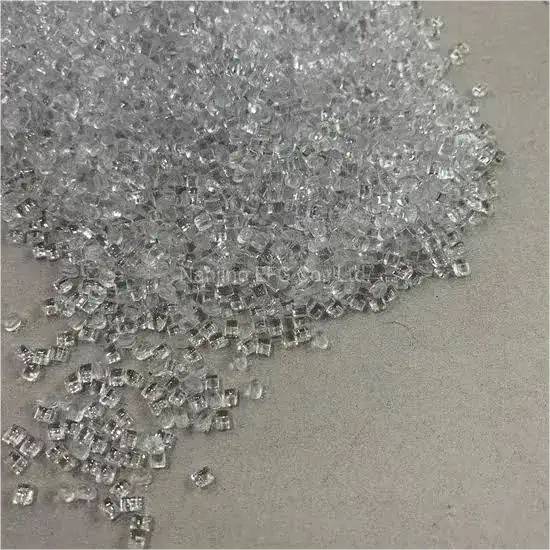
Part Two: The Deep Waters of Manufacturing: Shrinkage and Air Bubbles in Thick-Walled Bottles
Those crystal-clear thick-walled bottles you admire represent the ultimate challenge in injection molding. While thin-walled bottles may complete the injection cycle in just over ten seconds, a high-transparency PETG thick-walled bottle requires double the cooling time to eliminate shrinkage marks.Many Guangzhou packaging factories shorten cooling times to meet deadlines or lower unit costs. The result is bottles that appear smooth on the surface but harbor invisible internal stress. After filling and capping, these bottles develop fine cracks whenever ambient temperatures fluctuate.Now, let’s address sink marks. Thick-walled bottles are most prone to indentations at the base and shoulder areas. This occurs because plastic shrinks during cooling. If the mold design is flawed or the holding pressure is insufficient, unsightly pits form. Do you think premium clients would pay for such defective products with visible mold lines? At Guangzhou AC Skincare Packaging, we optimize mold cooling channels and employ multi-stage holding pressure techniques to ensure every bottle is as smooth as crystal. If a supplier offers prices that seem too good to be true, be wary—they’re likely cutting corners on cooling time and holding pressure.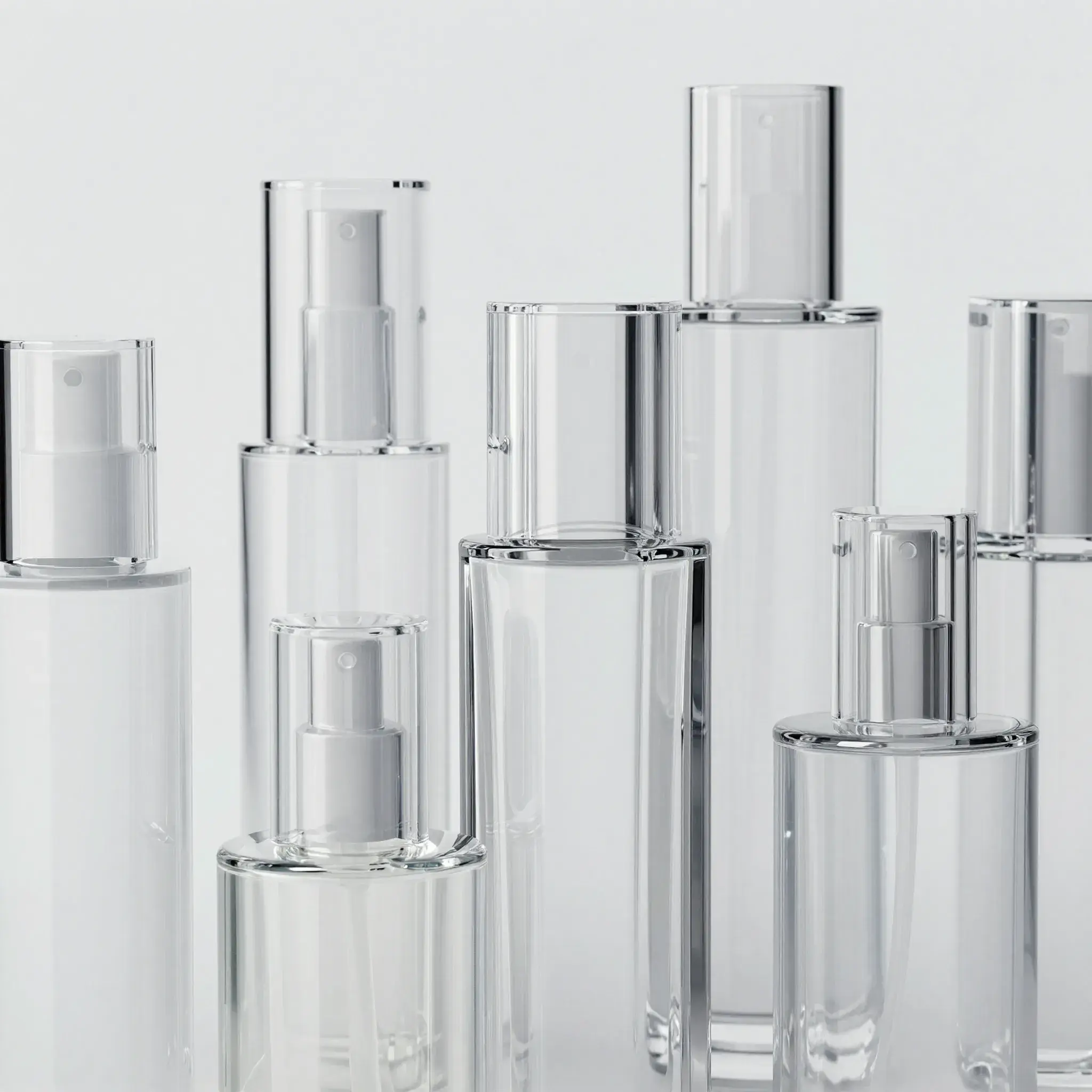
Part Three: Structural Core—The Pump Core is the Soul of the Bottle
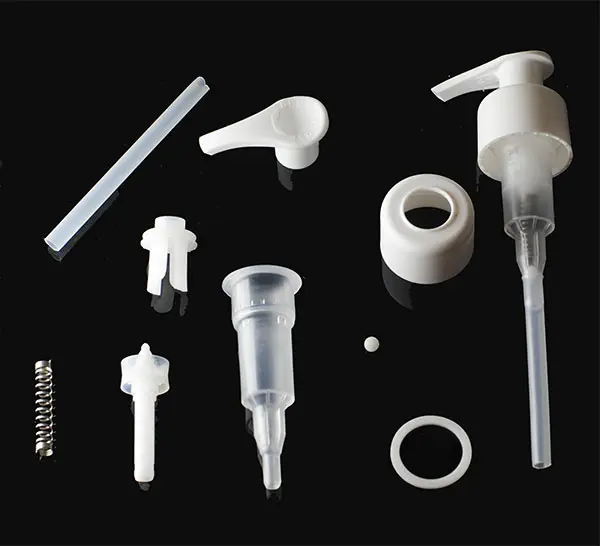
Many brands focus all their energy on the bottle while skimping on the lotion pump. This is putting the cart before the horse. The bottle is merely a container; the pump dispensers is the core component users interact with daily.A qualified lotion pump requires a pump core (Engine) with a perfectly aligned structure. The current mainstream trend favors an external spring design. Why external? Because traditional internal springs come into direct contact with the product. If your formula’s pH level is slightly off or contains certain active ingredients, the spring can rust or undergo chemical reactions, directly ruining the entire bottle of essence.Now, consider the sealing ring (Gasket). Many factories use cheap PE gaskets with poor elasticity and inadequate sealing. We insist on silicone or high-elasticity butyl rubber to ensure flawless vacuum testing. And the pump head’s rebound force—have you ever encountered a pump head that doesn’t spring back after pressing? That’s due to improper fit tolerances between the piston and pump barrel. Only veterans with 15 years of industry dedication pay such close attention to these details.

Part Four: The Bottom Line in Testing—Five Core Tests, None Can Be Skipped
At Guangzhou AC Skincare Packaging, we recommend completing these five packaging tests before bulk purchasing.
1. Vacuum Test: The first step to avoiding pitfalls. Fill the pump bottles with water, place them in a vacuum chamber, and evacuate to -0.08 MPa for 5 minutes. If pump heads leak or caps loosen, the entire batch is scrap.
2. Temperature Cycling Test: Simulates journeys from frigid Harbin to scorching Dubai. Repeatedly cycles between -20°C and 60°C. Thick-walled PETG bottles reveal their true nature in this test—cracks, warping, discoloration—all exposed.
3. Drop Test: Simulates rough handling by delivery personnel. Fully filled bottles undergo free-fall drops from 1.2 meters. Bottles must remain intact without cracks, and pump heads must stay securely attached.
4. Packaging Material Compatibility Test: This is critical. Fill bottles with your liquid product and place them in a 45°C constant-temperature chamber for one month. Observe for yellowing, cracks, or changes in the liquid’s odor and color.
5. Torque Test: Use a torque wrench to measure cap tightness. Too loose causes leaks; too tight prevents consumers from opening it or may even snap the bottle neck.
Part Five: Cost & Supply Chain Insights: Survival Strategies for Guangzhou Factories
Many ask why Guangzhou’s packaging customization serves the entire globe. Simply put, it’s about achieving the ultimate balance in the supply chain. In Guangzhou, we have access to the world’s most comprehensive range of mold components and surface treatment facilities.Regarding Minimum Order Quantity (MOQ) and unit pricing—these are the biggest headaches for brands. Many large factories require MOQs of 10,000 to 20,000 units, which is unsustainable for startups. Guangzhou AC’s strategy is balance. We lower barriers through standardized molds and even offer free mold development to strategic partners.But I must caution you: don’t blindly chase rock-bottom prices. PETG raw material costs are transparent, as are injection molding electricity and labor expenses. If someone quotes you 20% below market rates, they’re definitely cutting corners with recycled material. PETG bottles made with recycled material exhibit bluish or yellowish tints in transparency and suffer drastically reduced toughness, making them prone to cracking. Cutting corners here is planting a time bomb for your brand.
AC Packaging’s Quality Control Standards: How We Conduct QC
At our factory, QC doesn’t sit in an office reviewing reports—they monitor every injection cycle on the production line. Our inspection standards for high-transparency thick-walled PETG bottles are almost obsessive: no black spots exceeding 0.2mm, no bubbles, and no visible mold lines.We understand that packaging is the face of a skincare brand. If consumers receive bottles with scratches or malfunctioning pumps, they won’t blame the factory—they’ll perceive the brand as unprofessional. Therefore, our bottom line is clear: we’d rather scrap the batch than ship subpar products.
FAQ: Common Questions About PETG Thick-Wall Bottles
1. Can PETG bottles be made with PCR recycled material?
Yes. We currently offer PCR PETG with 30% to 50% recycled content. However, this results in slightly lower transparency compared to virgin material. While color matching can compensate, it compromises PETG’s signature high-transparency effect. We currently do not recommend adding PCR recycled material.
2. Why did my PETG bottle crack at the base after filling with essence?
Most likely stress cracking. Certain surfactants or essential oils in your formula may have chemically reacted with the PETG. Combined with residual internal stress from thick-wall injection molding, this dual effect caused the crack.
3. Can thick-walled PETG bottles undergo spray coating processes?
Absolutely. PETG exhibits excellent surface adhesion, enabling interior spraying, exterior spraying, gradient colors, or vacuum metallization. Note that interior spraying may affect compatibility and requires separate testing.
4. What is the typical production lead time for these bottles?
We guarantee a competitive production lead time of 25-30 days for standard molds. Custom molds add an additional 15 to 20 days for mold development.
5. How can you determine if a PETG bottle is genuinely thick-walled?
Examine the base thickness. Authentic thick-walled bottles typically have a base thickness exceeding 5mm, unlike standard PET bottles which are much thinner. They feel noticeably substantial in hand and exhibit a crystal-like refractive effect visually.
In summary, when selecting high-transparency PETG thick-walled bottles, don’t be fooled by surface clarity alone. To ensure quality, inquire about the manufacturing cooling process, examine the examine the internal structure and pump core of the lotion pump, and most importantly, ensure all five core tests are thoroughly conducted. To avoid costly packaging mistakes, partnering with a reliable Guangzhou Packaging Factory like AC Packaging is the most sensible approach is the sensible approach.
For any inquiries regarding skincare packaging customization or sample requests, feel free to contact us anytime.
Company Name: Guangzhou AC Skincare Packaging Co., Ltd.
Email: [email protected]
Official Website: www.skincarepkg.com
In the world of packaging, details determine success or failure, and expertise defines excellence. We don’t just make packaging—we safeguard your brand.