

2026 Skincare Packaging Trends: Customization & Sustainability
По ссылкеadminn
Меню содержания
● Trend 1: The Rampant Popularity and Deep Technological Depths of Mono-materials
● Trend Two: High-Transparency Thick-Walled PETG’s Complete Replacement of Acrylic
● Trend 3: Refinement and Active Ingredient Protection in Airless Systems
● AC Packaging’s Quality Control Standards: How We Do QC
>> 2. High and Low Temperature Cycling
>> 3. Drop Test
● FAQ Section: 5 Long-Tail Questions Regarding 2026 Trends
>> 1. Why is single-material packaging more expensive than ordinary packaging?
>> 2. Will PCR material bottles have an odor?
>> 3. Can thick-walled PETG bottles be used for gradient spray coating?
>> 4. Are vacuum bottles suitable for high-viscosity face creams?
>> 5. What is the typical delivery time for packaging factories in Guangzhou?
Don’t talk to me about the booming beauty industry; that’s for investors. Having spent so much time on the front lines of packaging factories in Guangzhou, all I see are production accidents and scrap rates. Last year, a new brand, in order to keep up with the 2026 environmental trend, insisted on using a lab-grade biodegradable material for its serum bottles. The result? Less than three months after the goods arrived in the warehouse, the bottles began to degrade and deform, leaking the contents into the outer packaging, resulting in a loss of millions.
This is a classic example of being brainwashed by PowerPoint presentations and ignoring the physical realities of packaging. As an operations expert with 15 years of experience in the Guangzhou packaging industry, working for Guangzhou AC Skincare Packaging Co., Ltd., today I won’t talk about grand narratives, but only about three core trends in skincare packaging customization in 2026. If you don’t want to pay a hefty price in 2026, you need to read this article word for word.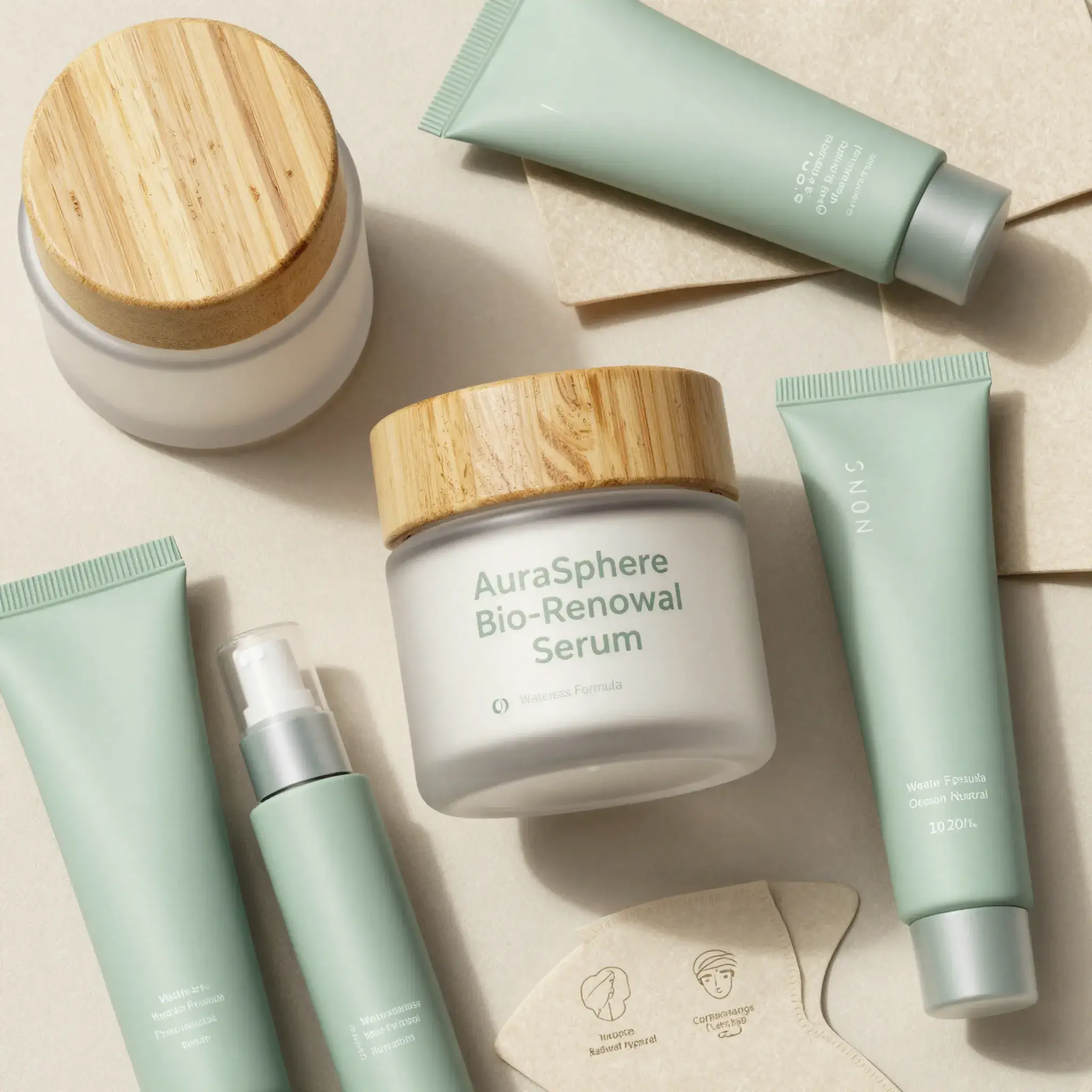
Trend 1: The Rampant Popularity and Deep Technological Depths of Mono-materials
By 2026, environmental protection will no longer be a bonus, but an entry ticket. The real trend isn’t those vague, biodegradable materials, but rather mono-material packaging. Simply put, this means the entire packaging—from the cap and pump head to the bottle—is made from the same type of plastic, such as all PP or all PE.
Why is this the trend? Because only a single material can achieve true 100% recyclability. Previously, a lotion pump head contained a stainless steel spring, glass beads, a PE piston, and a PP shell. Recycling required manual disassembly, making it prohibitively expensive. In 2026, the core competitive advantage for customized skincare packaging will be all-plastic pumps.
The technical detail is that the spring in an all-plastic pump is no longer metal; instead, it utilizes the inherent mechanical structure of the plastic to achieve rebound. This places extremely high demands on mold precision and injection molding processes. The injection shrinkage rates of PP and PE differ significantly. If the mold tolerance is controlled to be above 0.02mm, the pump head will experience issues such as uneven pressing or leakage.
Many packaging factories in Guangzhou are now promoting PCR (recycled plastic), but I want to mention an unspoken rule in the industry: don’t listen to suppliers trying to sell you 100% PCR. PCR materials have undergone multiple recycling processes, damaging their molecular chains and resulting in extremely poor toughness. In 2026, the mainstream approach will be 30% to 50% PCR combined with a single-material structure. If you insist on pursuing a high proportion of PCR, your face cream jar will likely shatter in a drop test. The bottom line is: environmental protection should not come at the expense of functionality.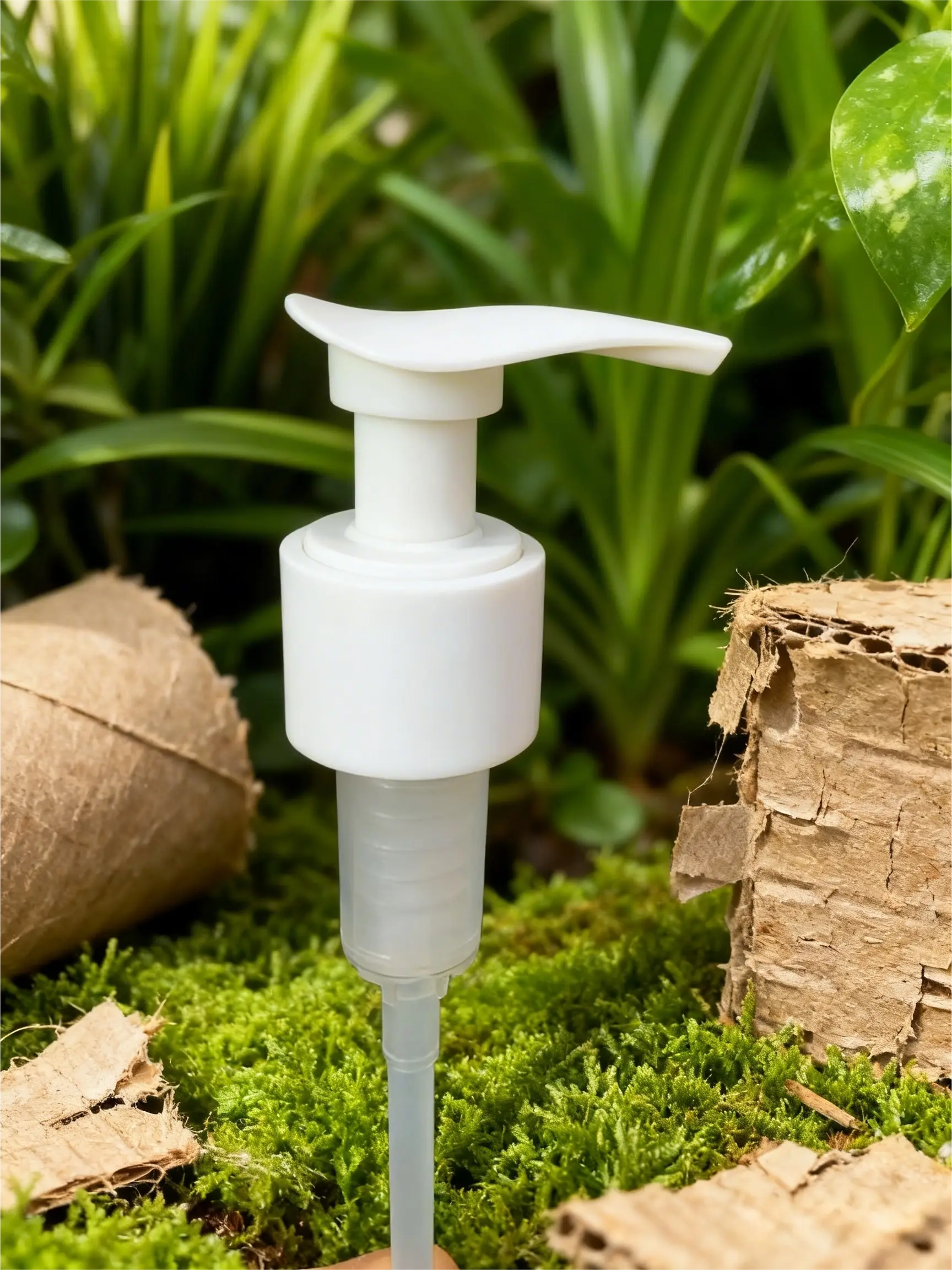
Trend Two: High-Transparency Thick-Walled PETG’s Complete Replacement of Acrylic
In 2026, the aesthetic of skincare packaging will lean towards minimalism and transparency. Previously, people liked to use acrylic because it was crystal clear. However, acrylic has a fatal flaw: it’s not environmentally friendly and has extremely poor chemical resistance. It cannot directly contact the material; an inner liner is necessary.
The current trend is high-transparency thick-walled PETG. PETG is not only environmentally friendly but also much tougher than acrylic. However, thick-walled PETG bottles are a nightmare for injection molding. Thick walls mean extremely long injection cycles. If factories shorten cooling time to meet deadlines, unsightly sink marks will appear on the bottom of the bottle. Do you think high-end customers would accept such a mold?
At the injection molding level, the biggest problem with thick-walled PETG bottles is stress cracking. If your serum bottle contains a high concentration of salicylic acid or certain plant essential oils, the PETG will develop a dense spiderweb-like pattern within a month under internal stress.
As a professional skincare packaging manufacturer, we must anneal PETG thick-walled bottles to release stress. Many small factories skip this process to save on electricity costs. Why do your bottles crack in extremely cold regions? Simply put, internal stress erupts at low temperatures. In 2026, whoever can make thick-walled PETG bottles that are both transparent and crack-resistant will capture the high-end serum bottle market.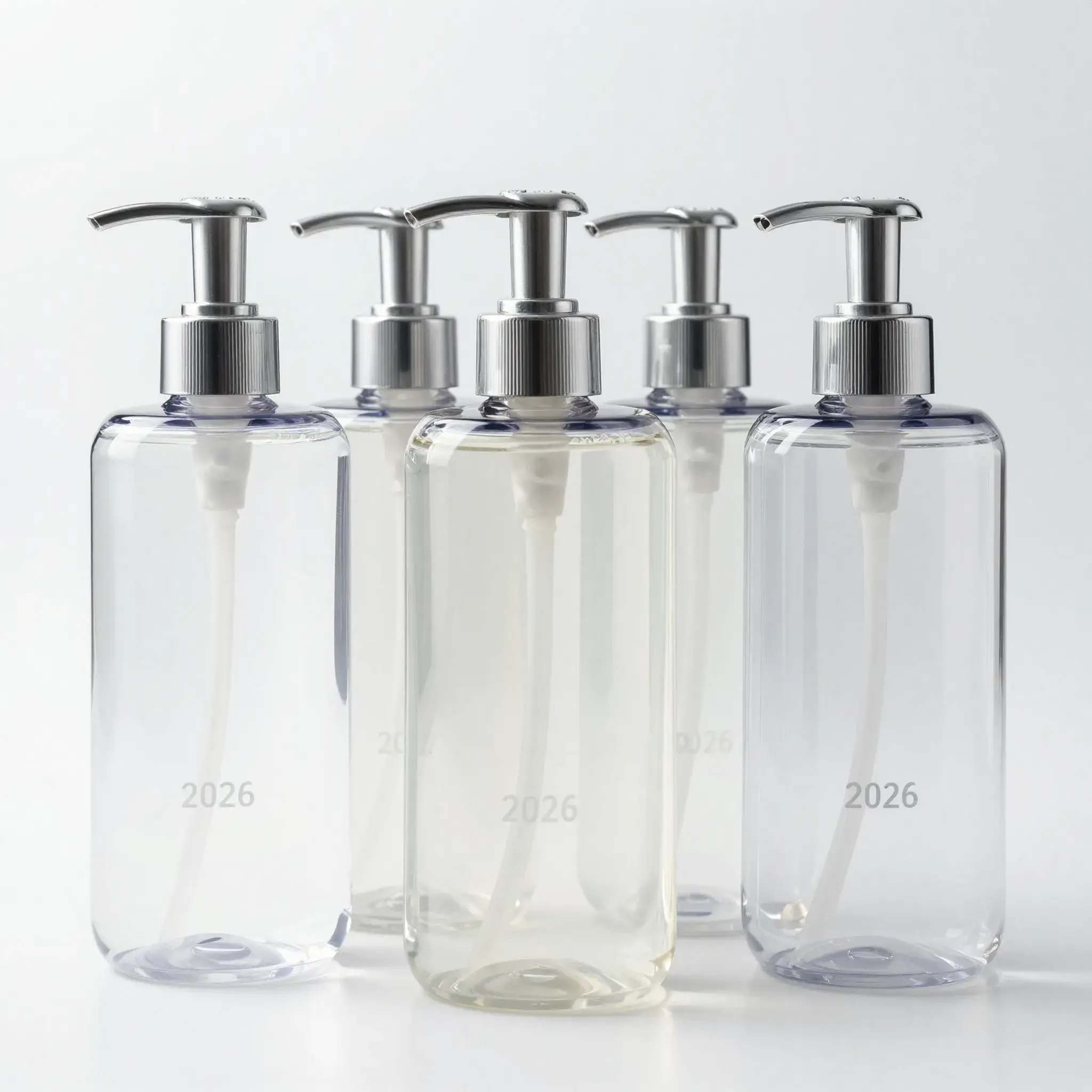
Trend 3: Refinement and Active Ingredient Protection in Airless Systems
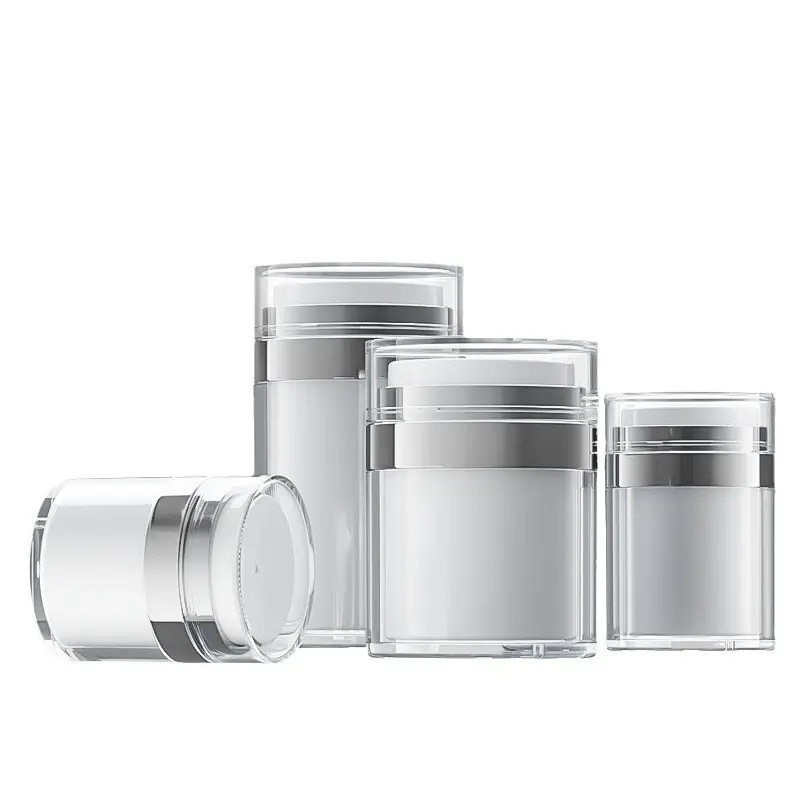
As skincare formulas become increasingly sophisticated, high concentrations of easily oxidized ingredients like Vitamin C and retinol have become standard. This is forcing airless bottles to transition from luxury items to necessities. In 2026, airless systems will no longer be simply about piston movement; they will pursue ultimate barrier properties and residue reduction.
Structurally, the engine’s design determines the user experience. An external spring is essential, as contact with the product can cause metal ions to catalyze the decomposition of certain active ingredients. The choice of sealing ring material is also crucial. Many factories use PE gaskets to save money, but these have poor elasticity and don’t seal properly. We insist on using silicone or highly elastic butyl rubber to ensure flawless performance in vacuum tests.
Another technical challenge with airless bottles is the piston’s fit. If the inner wall of the bottle isn’t perfectly round, the piston may jam during ascent, or the product may leak from the bottom. This tests the mold precision of Guangzhou packaging factories. Do you think this kind of precision structure can be made in any small workshop?
At the experimental level, the vacuum bottle must pass a vacuum test of -0.08MPa and remain leak-free for 5 minutes. It also undergoes high and low temperature cycling tests, simulating a temperature range from the frigid Harbin to the scorching Dubai. If your packaging deforms after two days at 60 degrees Celsius, your brand’s overseas expansion plan is a joke.
Cost and Supply Chain Unveiled: How Guangzhou Packaging Factories Balance MOQ and Unit Price
Many brands face a major headache when customizing skincare packaging: the minimum order quantity (MOQ). Large factories require a minimum of 20,000 units, which is unaffordable for small brands; small factories have lower MOQs, but inconsistent quality.
In Guangzhou, the advantage of the supply chain lies in its exceptional matching. Guangzhou AC Skincare Packaging’s approach is modular customization. We reduce basic costs through standardized molds, but give clients a great deal of freedom in surface treatments (spraying, vacuum coating, screen printing).
Regarding unit price, I have to be blunt: the price of PETG raw materials is transparent, and so is the electricity cost of injection molding machines. If someone offers you a price 20% lower than the market average, they’ve definitely mixed recycled materials into the material or used inferior springs in the pump core. Saving money like that is just planting seeds of future problems for your brand. In 2026, supply chain competition will be about who can reduce scrap rates through automated production, not about cutting corners to lower unit prices.
AC Packaging’s Quality Control Standards: How We Do QC
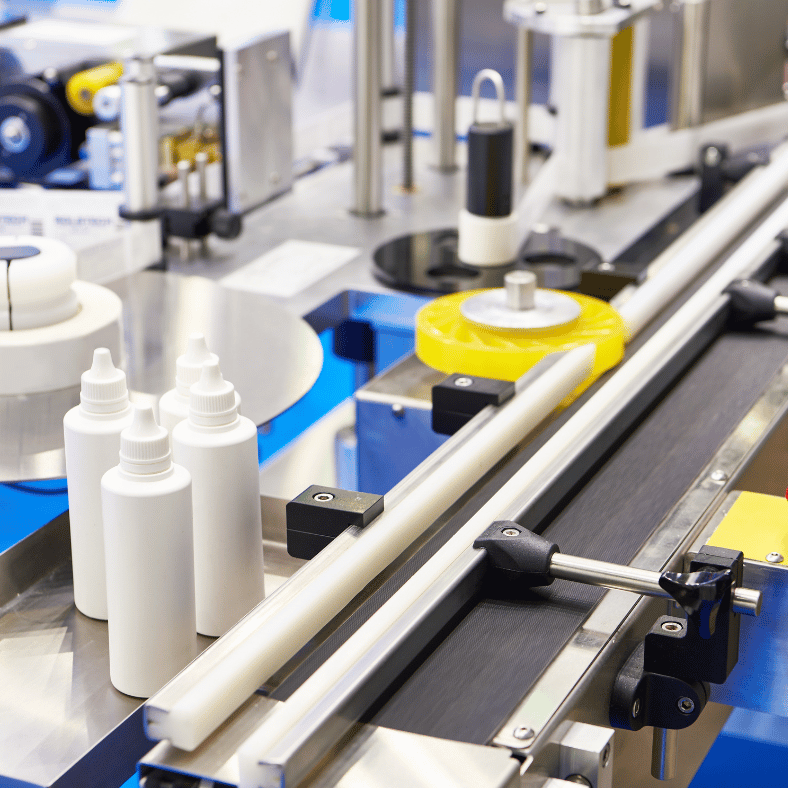
In our factory, QC doesn’t just sit in an office looking at reports; they’re on the production line monitoring every injection molding cycle. In response to the three major trends of 2026, we’ve developed five core tests:
1. Vacuum Test
All vacuum bottles and emulsion pumps must pass a pressure test of -0.08 MPa.
2. High and Low Temperature Cycling
Cycling from -20°C to 60°C for 48 hours to test material stability.
3. Drop Test
Free fall from a height of 1.2 meters, six sides and eight angles, to ensure the PCR material does not crack.
4. Packaging Compatibility
After filling, the product is placed in a 45°C constant temperature chamber for 30 days to observe changes in color, cracking, and odor.
5. Torque Test
A torque meter is used to ensure the cap tightening force is within the standard range, preventing leakage while allowing consumers to easily unscrew it.We deeply understand that packaging is the face of skincare products. Lose the face, and the brand is gone.
FAQ Section: 5 Long-Tail Questions Regarding 2026 Trends
1. Why is single-material packaging more expensive than ordinary packaging?
Simply put, it’s because the R&D cost and mold precision requirements for all-plastic pump heads are extremely high. Currently, production volume hasn’t fully exploded, so the cost per bottle is naturally higher, but this is the best way to avoid future environmental taxes.
2. Will PCR material bottles have an odor?
If not handled properly, they can. Therefore, we recommend using a three-layer co-extrusion process when customizing skincare product packaging. This involves sandwiching PCR in the middle and using virgin materials for both the inner and outer layers, ensuring both environmental friendliness and safety.
3. Can thick-walled PETG bottles be used for gradient spray coating?
Of course. PETG has a high surface energy level, making it ideal for spray coating and vacuum coating. However, note that bottle recycling becomes more difficult after spray coating, requiring a balance between aesthetics and environmental friendliness.
4. Are vacuum bottles suitable for high-viscosity face creams?
Not recommended. High-viscosity face creams are better suited to cream jars. Vacuum bottles are primarily for lotions and serums; if the product is too viscous, the piston may not be able to move, or uneven dispensing may occur.
5. What is the typical delivery time for packaging factories in Guangzhou?
Standard molds typically take 25 to 30 days. For customized single-material structures popular in 2026, the delivery time may extend to 45 days due to mold adjustments.
In summary, the core principles of skincare packaging in 2026 are: use a single, high-quality material; maintain a substantial feel; and ensure a vacuum-sealed packaging system. If you want to avoid pitfalls in custom packaging, partnering with a technically proficient and ethical skincare packaging manufacturer is the right thing to do.
If you have any questions about custom skincare packaging, or if you need the latest PCR or PETG samples, please feel free to contact us.
Связаться с
Company Name: Guangzhou AC Skincare Packaging Co., Ltd.
Contact Email: [email protected]
Official Website: www.skincarepkg.com
In the world of packaging, details matter. We don’t just do packaging; we safeguard your brand.