


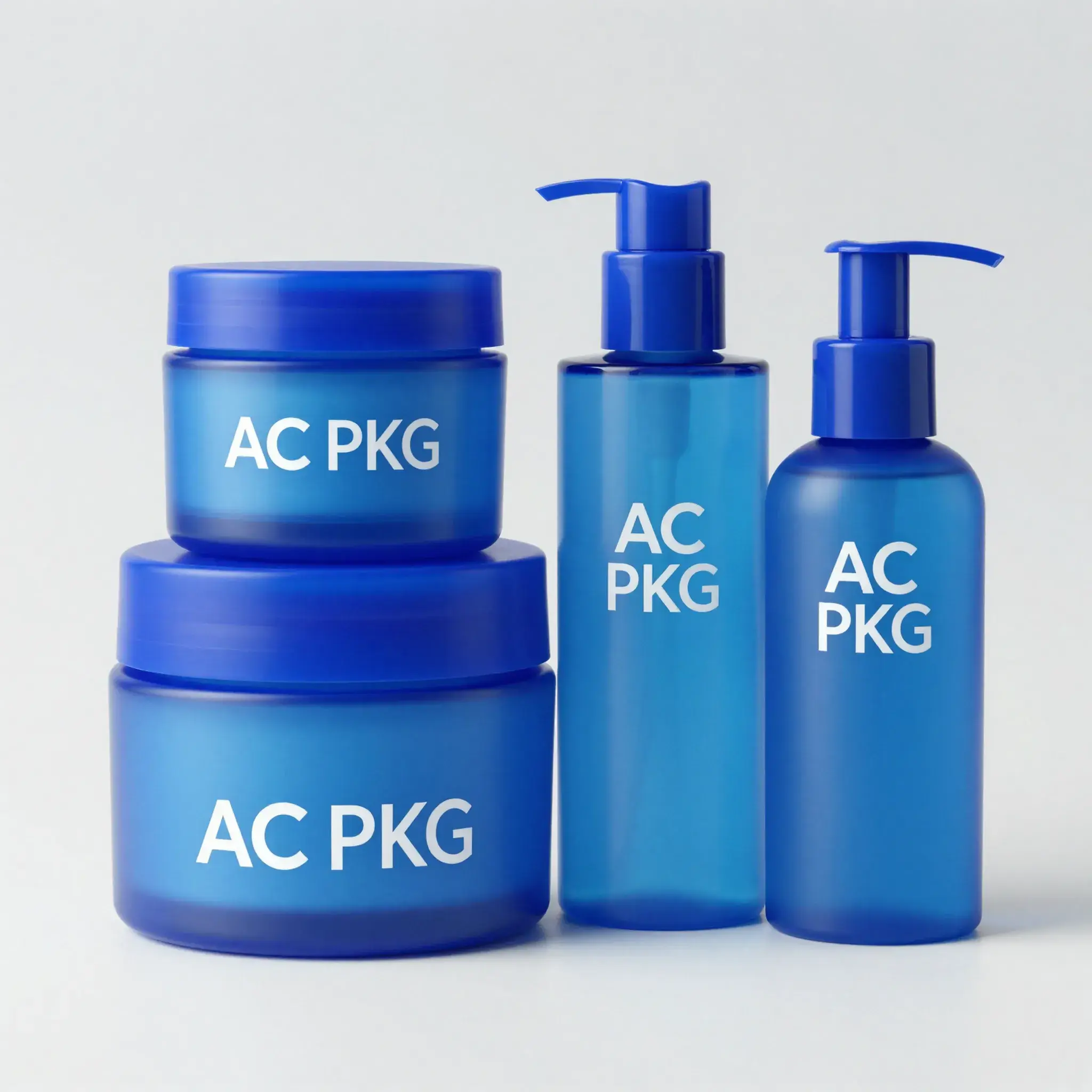
From PE to PCR, Don’t Let the Wrong Material Ruin Your Brand
Byadminn
Content Menu
● Part One: Material Showdown – Who’s the True Chosen One for Skincare Products?
● Part Two: Pump Core Structure Disassembly – Springs and Sealing Rings are the Soul
● Part Three: Craftsmanship and Visual Appeal—How is this Texture Achieved?
● Part Four: The Experimental Layer – These 5 Core Tests are Your Lifeline
Last year, a client who made high-end serums insisted on using acrylic for the outer bottle, aiming for a crystal-clear look, despite warnings. They filled the bottle directly with a high concentration of essential oils. Less than a month after the goods arrived at the warehouse, the bottle developed a dense spiderweb-like pattern and crumbled easily. This is a classic example of the price of focusing solely on aesthetics and neglecting material compatibility. Having worked in the Guangzhou packaging industry for 15 years, I’ve seen countless cases of millions of dollars worth of goods going down the drain due to choosing the wrong material.Don’t talk to me about the booming beauty industry; that’s for laymen.
At the Guangzhou AC Skincare Packaging factory, we only look at data and experiments. If you’re still struggling to choose a material, or confused by the suppliers’ fancy terminology, this article is for you. We’re not just breaking down the pros and cons of materials like PE, PET, PP, PETG, ACRYLIC, GLASS, METAL, and PCR; we’re also revealing the unspoken rules hidden behind the supply chain.
Part One: Material Showdown – Who’s the True Chosen One for Skincare Products?
In custom skincare packaging, material selection is a matter of life and death. Each material has its own characteristics; using the wrong one can be disastrous.
Let’s start with PP (polypropylene). It’s the all-rounder in the packaging world, with unparalleled chemical resistance. The bottom line is: if your product has a complex composition or contains strong acids or alkalis, choosing PP is always a safe bet. However, PP’s weakness is its soft texture, which doesn’t look high-end. Therefore, clever designers often use it for the inner liner of lotion pump bottles.
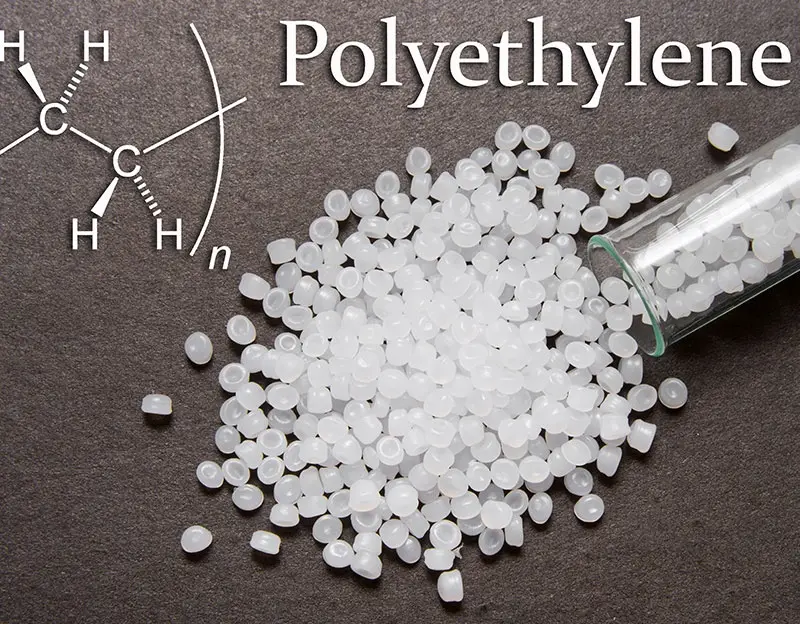
Next, let’s talk about PET (polyethylene terephthalate). This is the most common transparent material, lightweight and inexpensive. But PET can’t be made with thick walls; it has a thin texture. If you want to make a substantial serum bottle, PET is clearly not suitable.
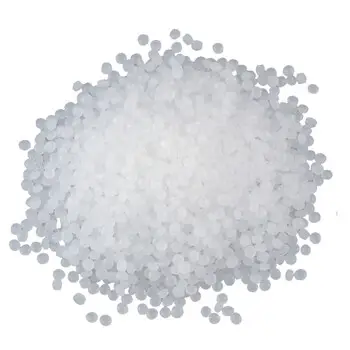
PETG (polyethylene terephthalate-1,4-cyclohexanediol) is currently the star of thick-walled bottles. It’s more transparent than PET and more resilient than acrylic. However, PETG has a fatal flaw: stress cracking. If your formula contains high concentrations of salicylic acid or certain plant essential oils, the PETG bottle may develop micro-cracks a month after filling. Why do your bottles crack in extremely cold regions? Simply put, the internal stress from injection molding wasn’t released.Acrylic is the pinnacle of packaging aesthetics, with extremely high transparency, resembling glass. However, it’s very delicate and has extremely poor chemical resistance. It can only be used as an outer shell and should never directly contact the material. If you see someone using a single-layer acrylic bottle to package serums, they’re absolutely playing with fire.
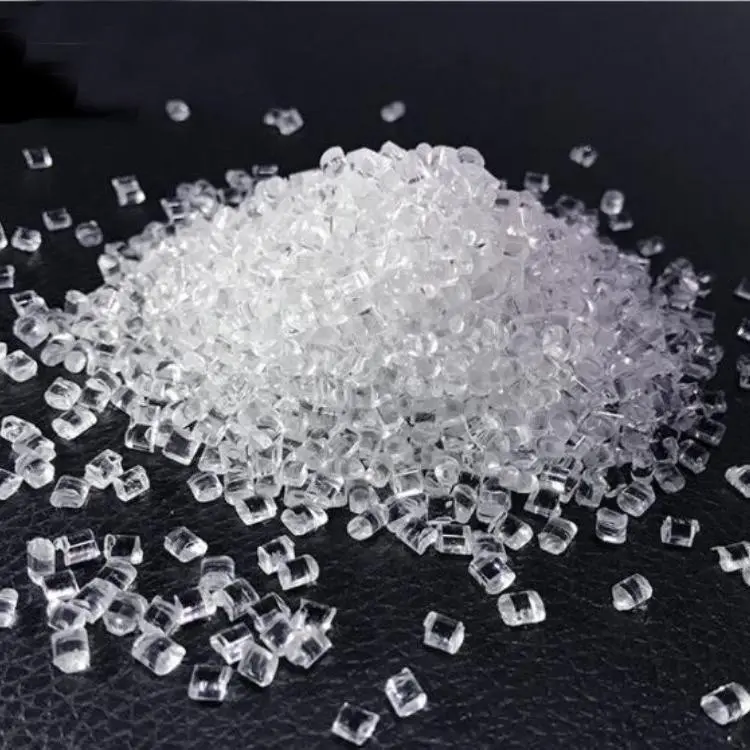
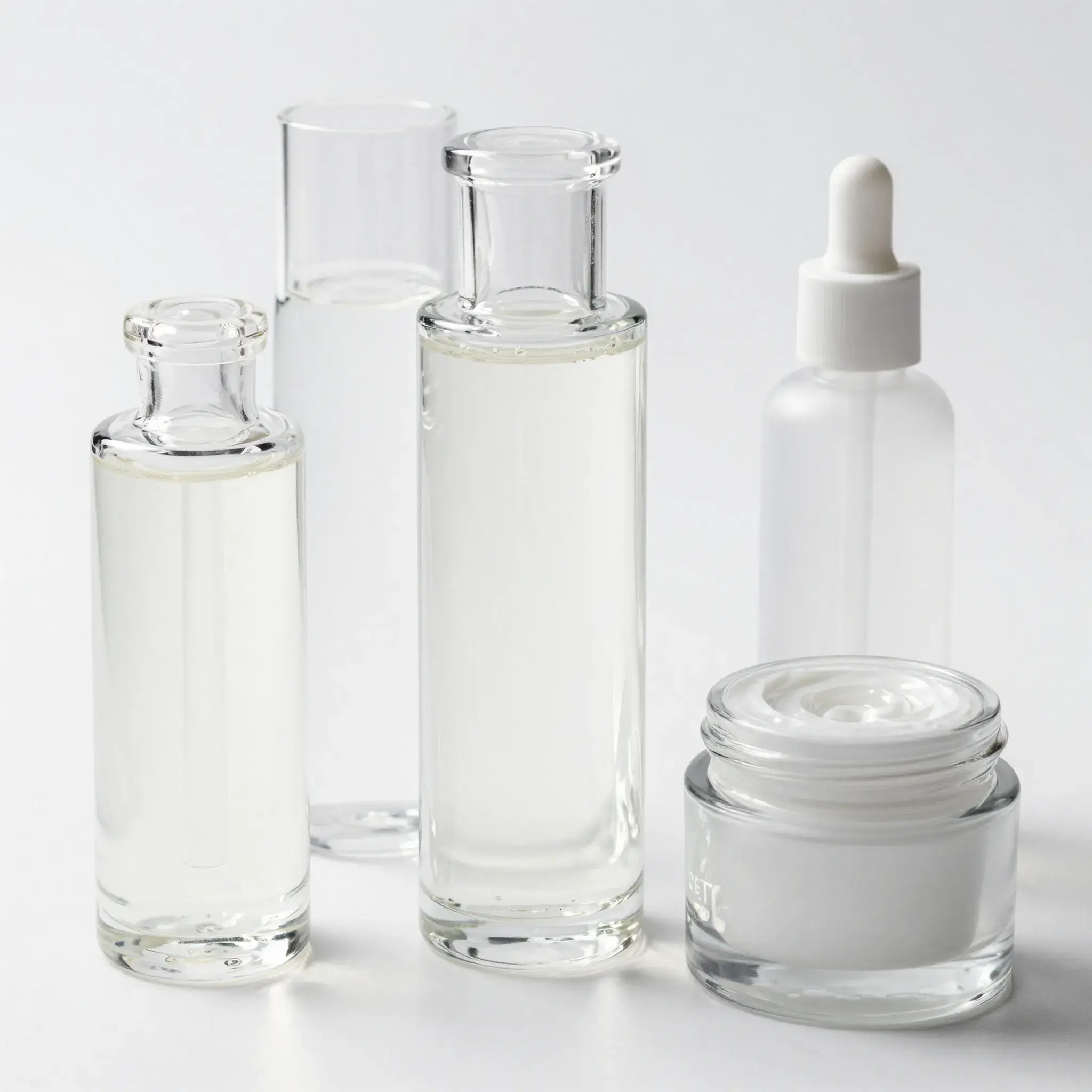
PE (polyethylene) is mainly used for tubes. It’s divided into LDPE, HDPE, and linear PE. PE’s advantages are a good feel and good compression resilience. However, PE’s barrier properties are generally poor; if your material is prone to oxidation, a barrier layer must be added.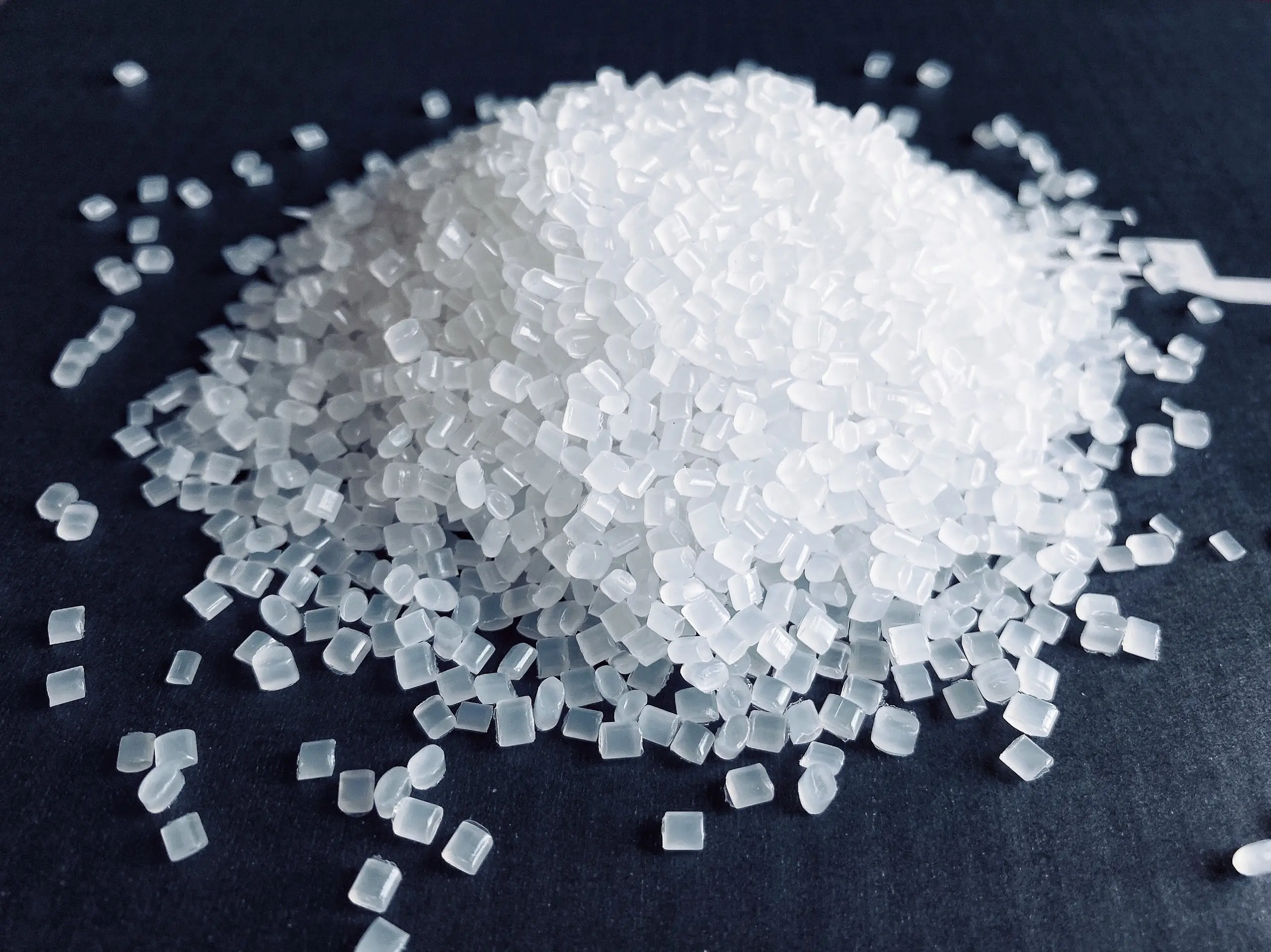 GLASS boasts unparalleled texture and the highest chemical stability. However, its drawbacks include its weight, fragility, and high rate of logistics losses. For startups, the mold costs and minimum order quantities for glass are often significant hurdles.
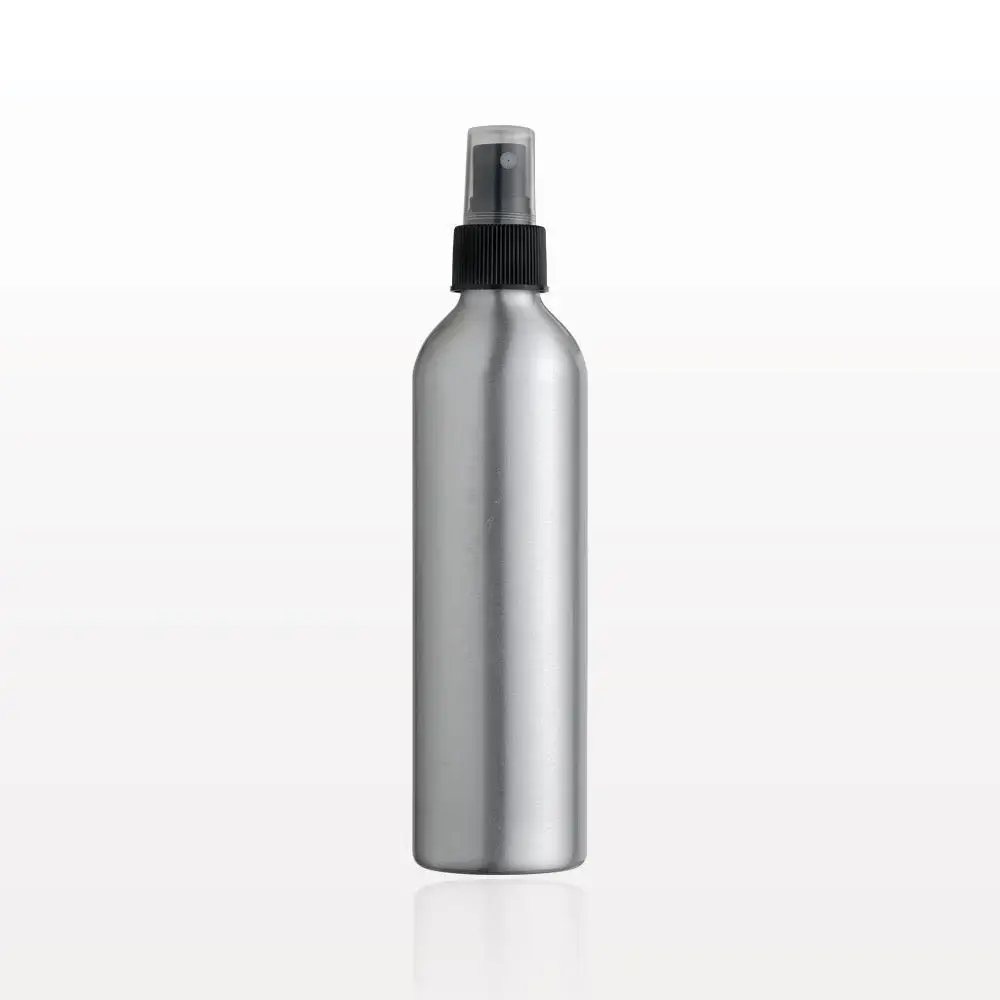
 METAL is typically used for pump housings or bottle caps. Aluminum components significantly enhance the sense of luxury, but oxidation issues must be considered. If metal parts are in direct contact with the material, an anti-corrosion coating is essential; otherwise, discoloration and changes in the material’s appearance are inevitable.
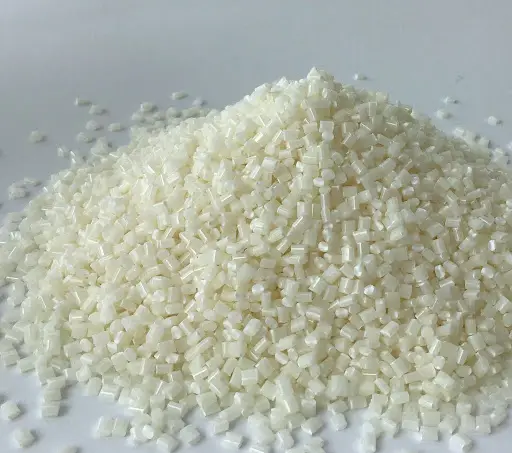
Finally, let’s talk about PCR (recycled plastic). This is currently the politically correct approach to environmental protection. But I must say something blunt: don’t listen to suppliers trying to sell you 100% PCR. PCR has extremely unstable physical properties, poor toughness, and a dirty base color. As a professional skincare packaging manufacturer, we recommend 30% to 50% PCR. Exceeding this percentage will result in a significantly higher defect rate during injection molding.
Part Two: Pump Core Structure Disassembly – Springs and Sealing Rings are the Soul
The quality of an emulsion pump bottle doesn’t depend on how shiny the outer shell is, but on the pump core (Engine).First, consider the spring structure: internal or external spring?Many cheap lotion pumps use internal springs, meaning the spring directly contacts the product. If the serum’s pH level is slightly too high, the spring will rust or react chemically, directly contaminating the entire bottle. High-end skincare packaging always requires an external spring structure. The spring not contacting the product is not only a hygiene issue but also a fundamental safety requirement for the brand.Second, consider the gasket material.This is where corners are most easily cut. Cheap pump heads use PE gaskets, which have poor elasticity and don’t seal properly. We insist on using silicone or highly elastic butyl rubber.
Why? Because lotion pump bottles experience pressure changes during transport, especially in aircraft cargo holds. If the gasket isn’t elastic enough, the vacuum bottle won’t be vacuum-sealed, and leakage is inevitable.Let’s talk about rebound force and dispensing volume.Have you ever encountered a pump head that doesn’t spring back after being pressed? That’s because the piston and pump barrel’s fit tolerances aren’t right. Do you think high-end clients would buy this kind of mold? The output volume is also crucial—0.2cc or 0.5cc? If your factory doesn’t even ask about the viscosity of your material and just recommends a pump head, they’re definitely unprofessional.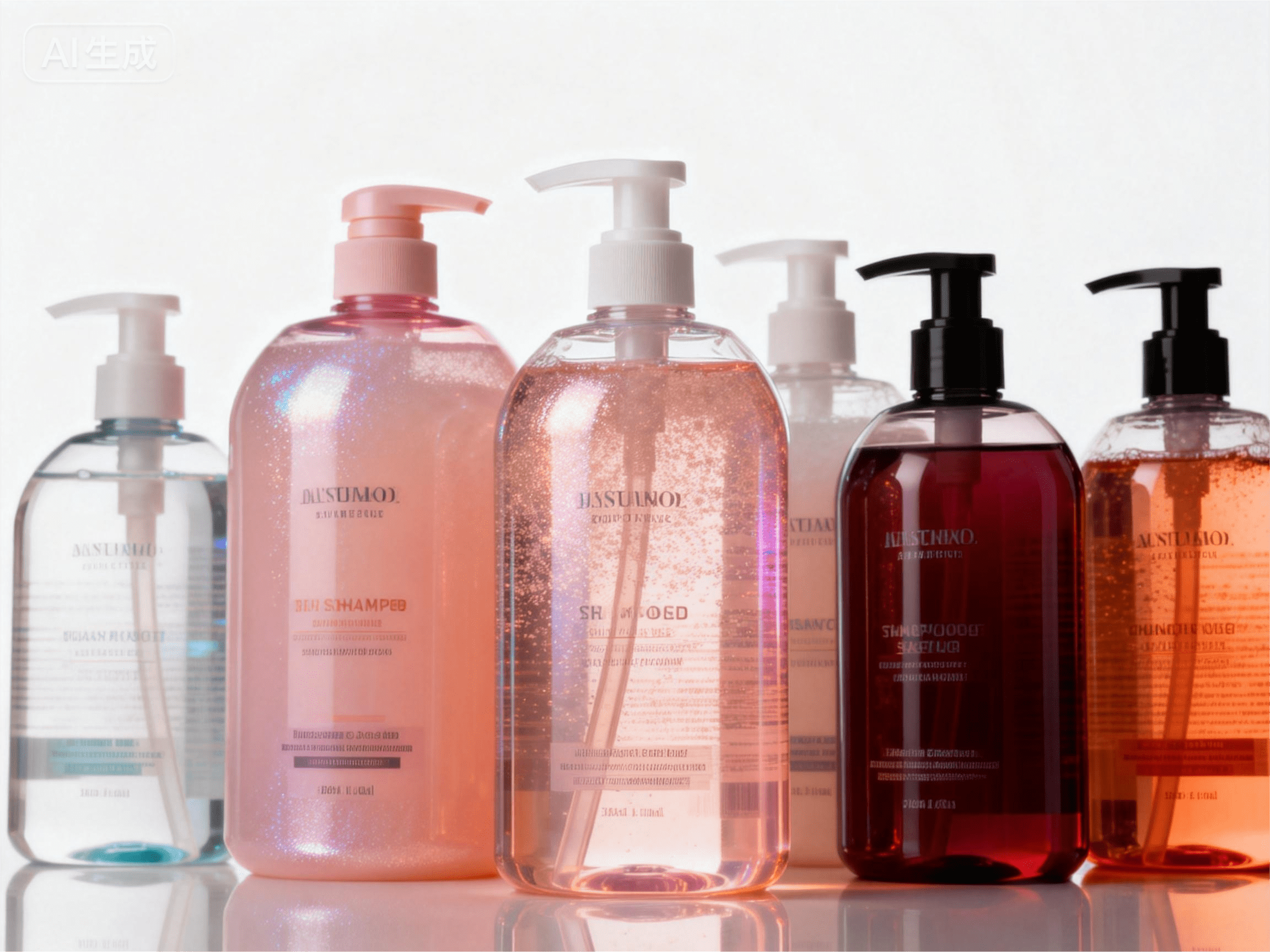
Part Three: Craftsmanship and Visual Appeal—How is this Texture Achieved?
En Guangzhou packaging factories, the quality of the injection molding process directly determines the bottle’s value.High-transparency PETG thick-walled bottles are most vulnerable to air bubbles and shrinkage marks. Thick-walled bottles have long injection molding cycles. If the factory shortens the cooling time to meet deadlines, unsightly dents will appear on the bottom of the bottle. These shrinkage marks are obvious under light, instantly reducing your product’s value to that of a cheap street vendor.Let’s talk about surface treatment. Spraying, electroplating, screen printing—each one has its pitfalls.Vacuum coating looks luxurious, but if the primer isn’t done well, it will peel off with a light scratch of your fingernail. Screen printing is also a technical skill; is the ink adhesion sufficient? Will the text appear ghosted? At Guangzhou AC Skincare Packaging, our requirement for screen printing is that it must pass the 3M tape tensile test.Many brands pursue an extremely minimalist style, requiring bottles without parting lines. This tests the precision of the mold. If the mold precision is insufficient, the black line on the side of the bottle will look like a scar. Do you think high-end customers will pay for such a minor flaw?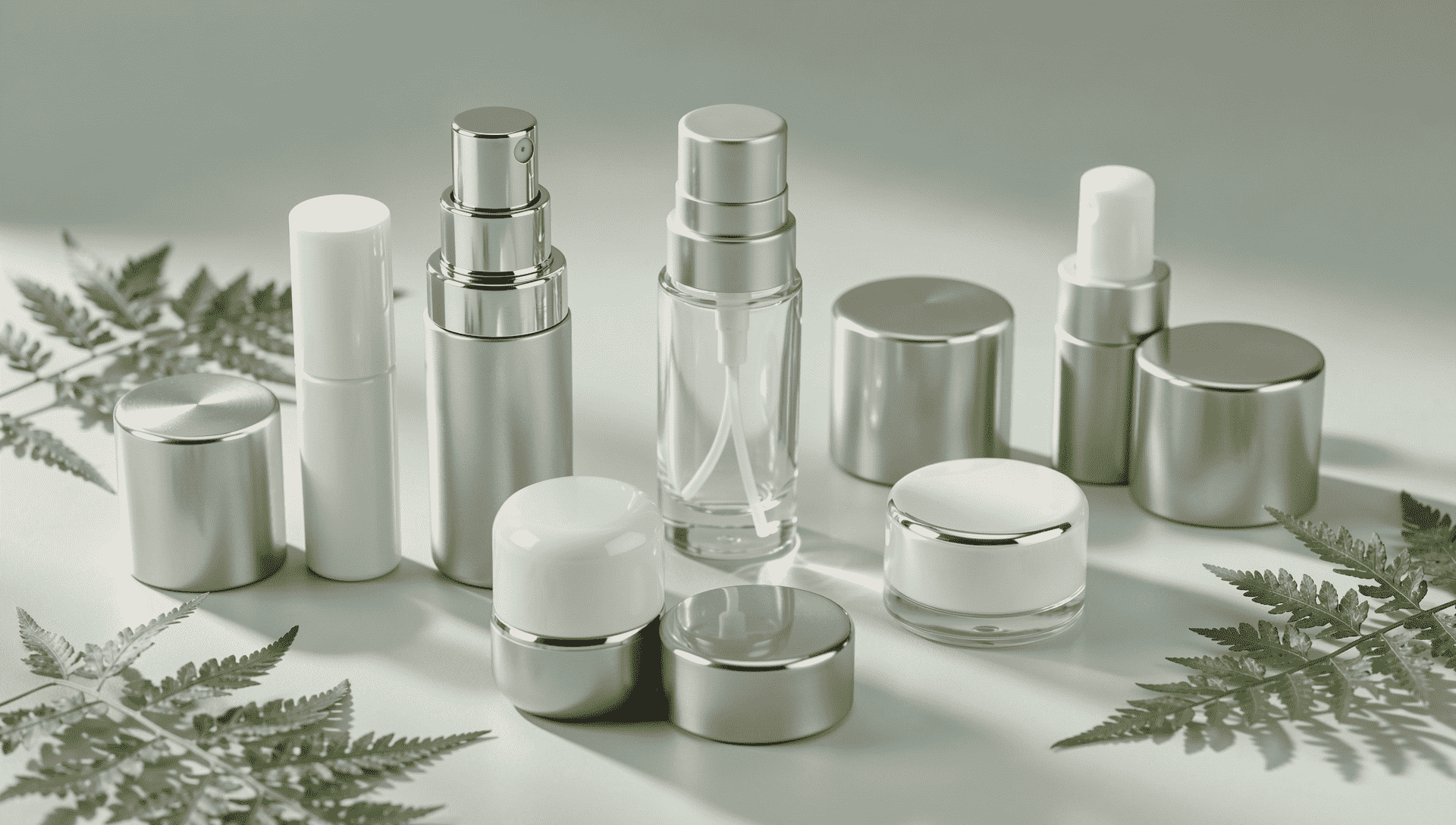
Part Four: The Experimental Layer – These 5 Core Tests are Your Lifeline
In our factory, QC doesn’t sit in an office looking at reports; they monitor every experimental data point on the production line. If your partner factory doesn’t provide the following five test reports, withdraw immediately.1. Vacuum Test: This is the first step to avoid pitfalls. Place a bottle filled with lotion into a vacuum chamber, evacuate to -0.08 MPa, and maintain for 5 minutes. Failing this test will result in your shipment exploding on the plane.2. High and Low Temperature Cycling Test: Simulating the extreme cold of Harbin to the scorching heat of Dubai. Repeatedly cycling between -20°C and 60°C. Thick-walled PETG bottles are most likely to show their true colors in this test, cracking.