Sep 7, 2026Packaging Information
Custom Skincare Packaging Supplier for Beauty Brands
Choose a custom skincare packaging supplier for serum, lotion, cream and toner. Compare containers, dispensing systems, testing and product-line design.
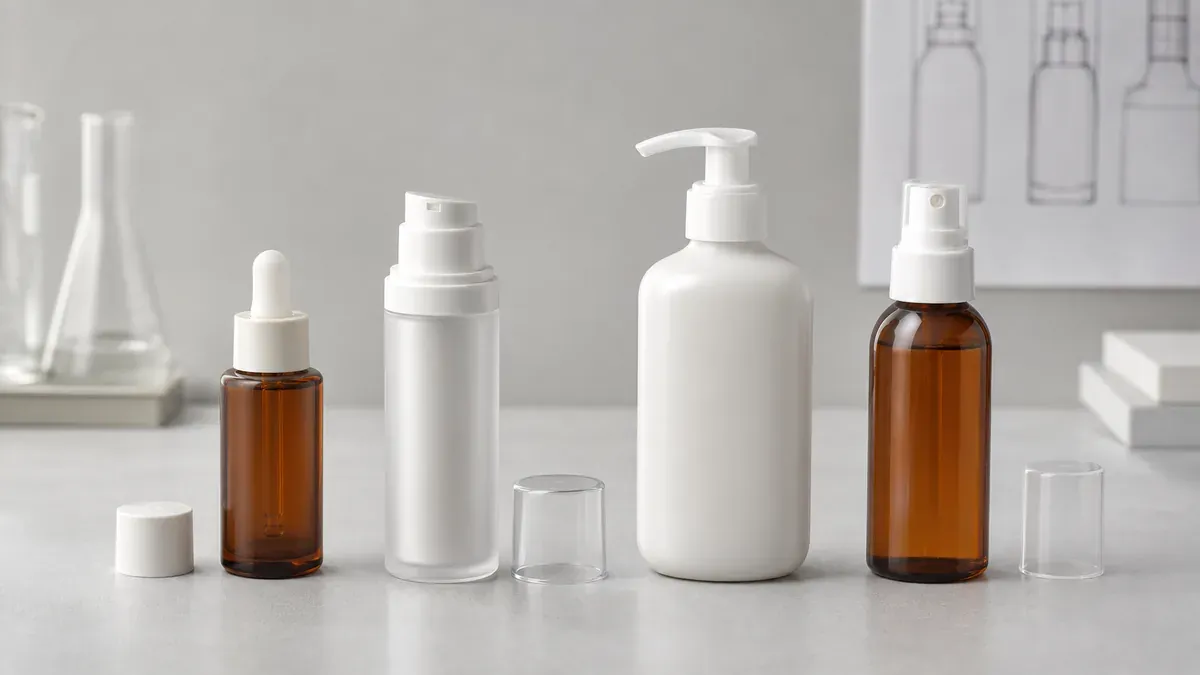
• Byadminn
• On2026-08-02
• InPackaging Information
A reliable custom skincare packaging supplier should do more than provide attractive bottles and jars. The supplier should help a beauty brand match each formula—serum, lotion, cream, or toner—with a workable container and dispensing system, while keeping the whole product line visually consistent. That means reviewing formula behavior, fill volume, closure choice, decoration, sampling, filling-line needs, and mass-production risks before an order is approved.
Content Menu
• Key Takeaways
• What Does a Custom Skincare Packaging Supplier Do?
• Which Packaging Works for Serum?
• Which Packaging Works for Lotion?
• Which Packaging Works for Cream?
• Which Packaging Works for Toner?
• How Do You Build a Consistent Product Line?
• What Should Beauty Brands Check Before Ordering?
• Frequently Asked Questions
Key Takeaways
• Choose the dispensing system according to viscosity, dose, application method, and formula compatibility—not appearance alone.
• Serums often use droppers or airless pumps; lotions usually need pumps or controlled-flow closures; creams commonly use jars, tubes, or suitable airless systems; toners may use reducers, disc tops, pumps, or fine-mist sprayers.
• A coordinated product line can share color, finish, shape language, and decoration without forcing every formula into the same container.
• Use actual formula for compatibility and dispensing tests whenever possible.
• Approve the complete packaging assembly, decoration, filling process, and shipping configuration before mass production.
What Does a Custom Skincare Packaging Supplier Do?
A custom skincare packaging supplier helps translate a brand concept into packaging that can be sampled, filled, assembled, and produced consistently. The work may involve standard bottle and jar selection, matching pumps and closures, custom color, logo decoration, surface finishing, component coordination, and—in suitable projects—private mold development.
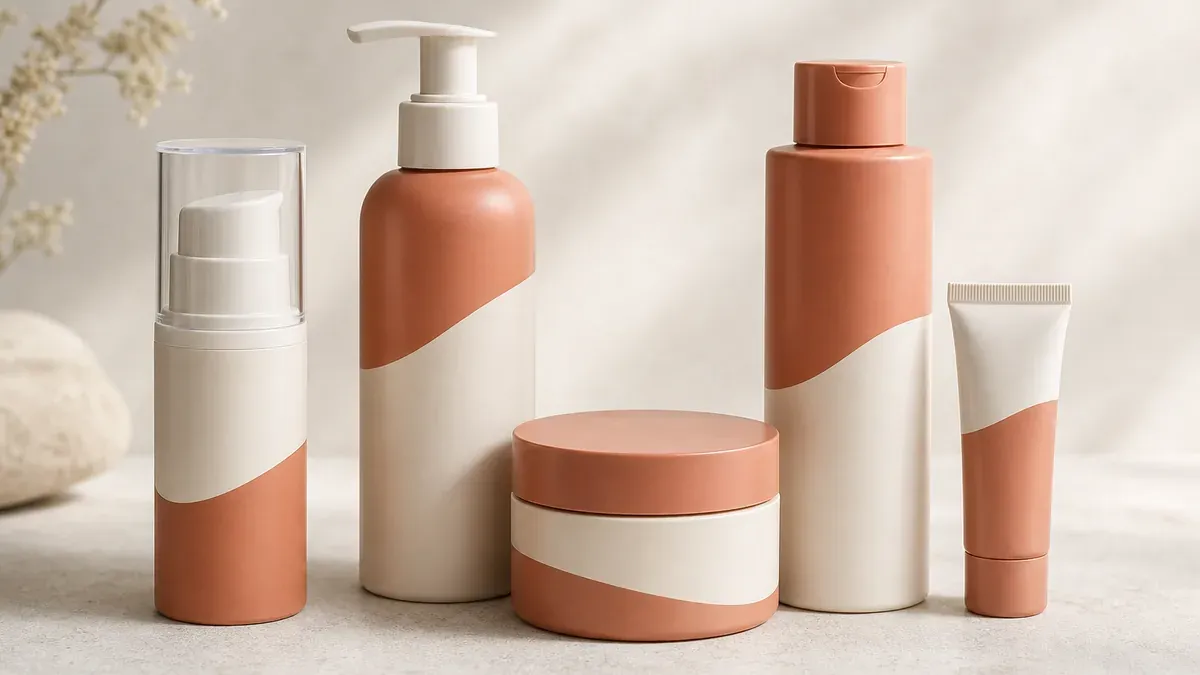
For indie beauty brands, the most useful supplier conversation starts with the formula and sales plan. A packaging brief should include the product type, approximate viscosity, fill capacity, expected order quantity, preferred material or appearance, dispensing method, decoration, target market, and filling location. Reference images are helpful, but they should describe the visual direction rather than replace technical requirements.
It is also important to separate three decisions:
• Primary container: the bottle, jar, or tube that holds the formula.
• Dispensing and closure system: the dropper, pump, sprayer, cap, plug, reducer, or nozzle.
• Brand presentation: color, finish, printing, label area, secondary packaging, and consistency across the range.
Beauty brands can review current custom cosmetic packaging options to understand the available container families before preparing a detailed sourcing brief.
Which Packaging Works for Serum?
Serum packaging should deliver a controlled dose and protect the formula at the level the product requires. Common options include glass or plastic dropper bottles, treatment pumps, and airless bottles. The right choice depends on viscosity, ingredient sensitivity, application style, and the consumer experience the brand wants to create.
Dropper bottles
Droppers suit many fluid serums and facial oils because users can see and control the dose. The bulb, pipette, wiper, neck, and bottle must work as one system. A supplier should check whether the pipette reaches the intended product level and whether the formula flows cleanly without excessive dripping around the neck.
Airless and treatment pumps
Airless systems can reduce repeated air intake and provide a measured dispensing experience, but they still require formula testing. Very low- or high-viscosity products may behave differently in the pump. Priming, output consistency, residual product, and component compatibility should be evaluated with the actual serum.
Questions to ask for serum packaging
• Is the formula water-like, oily, gel-like, or suspension-based?
• What dose should one actuation or dropper fill deliver?
• Does the formula require an opaque, tinted, or over-capped package?
• Will the product be filled manually or on an automated line?
• Can the decoration withstand normal handling and contact around the neck?
Which Packaging Works for Lotion?
Lotion packaging usually needs a pump, squeeze format, or controlled-flow closure that can dispense the formula without excessive force. PET, HDPE, PP, and other plastics may be considered depending on structure, appearance, and compatibility. Material names alone do not prove suitability; the completed package must be tested with the product.
A lotion pump is convenient for daily-use products, but the dip tube length, pump output, closure fit, venting, and viscosity range matter. A tube can be appropriate when portability and squeeze dispensing are priorities. Flip-top or disc-top bottles can work for more fluid products, provided the orifice and closure seal are suitable.
When reviewing custom cosmetic tubes, buyers should compare tube diameter, fill volume, cap style, nozzle orifice, decoration area, and filling/sealing method. The tube and cap should also be checked for stability when displayed or packed.
Which Packaging Works for Cream?
Creams are commonly packed in wide-mouth jars, squeeze tubes, or airless containers designed for the product’s viscosity. A jar gives direct access and supports rich textures, while a tube offers more controlled contact. An airless format may be considered for certain cream formulas, but pump evacuation and priming must be tested rather than assumed.
For jars, buyers should review the jar body, inner cup if present, lid, liner or sealing component, thread engagement, decoration thickness, and filling method. A heavy-looking outer wall can create a premium appearance, but the inner capacity and overall assembly must still match the commercial fill.
The site’s cream jar packaging selection provides examples of different shapes and constructions. Shortlisting should be followed by samples and formula-specific evaluation.
Jar, tube, or airless?
Which Packaging Works for Toner?
Toner packaging should match how the consumer applies the formula. A bottle with a reducer or controlled-flow closure is suitable when toner is poured onto a cotton pad or hand. A fine-mist sprayer may work when the product is intended for direct facial application, but spray pattern, droplet size, output, and formula behavior must be tested.
Clear, tinted, frosted, or opaque bottles can support different visual directions. Buyers should confirm whether a finish is created by the base resin, a coating, or another decoration process, because this affects appearance, scratch resistance, and recycling claims. For early launches, brands may also compare relevant in-stock packaging before committing to more extensive customization.
How Do You Build a Consistent Skincare Product Line?
A coherent line does not require identical containers. It requires a repeatable design system. Brands can align several packaging types through a shared color palette, shoulder profile, cap color, finish, logo position, label grid, or decorative detail.
Start with a product-to-package matrix:
Then identify the elements that should remain consistent. A brand might use one matte color across PP caps, a matching translucent tint across bottles, and a common two-line print layout. The containers can still differ in material and structure. This is often more practical than forcing a jar, dropper, pump, and sprayer into an identical construction.
Decoration should be sampled on the actual substrates. Silk-screen printing, hot stamping, labels, coating, metallization, and other finishes interact differently with bottle shapes and materials. Artwork size, registration, seam location, curvature, and rub resistance should be reviewed before bulk approval.
What Should Beauty Brands Check Before Ordering?
Before selecting a beauty packaging supplier, verify how the supplier handles matching, sampling, testing, quality documentation, and change control. A polished rendering is not a production approval.
• Define the formula and filling process. Share the product type, viscosity range, fill temperature if relevant, filling method, and planned capacity without disclosing unnecessary proprietary details.
• Confirm the full component set. List every bottle, jar, tube, pump, cap, overcap, liner, reducer, wiper, and accessory.
• Request representative samples. Evaluate appearance, handling, closure fit, dispensing, and compatibility with the real formula.
• Agree on decoration standards. Approve color references, artwork, print position, finish, and acceptable variation.
• Run fit-for-purpose testing. Coordinate leakage, dispensing, compatibility, transport, filling-line, and other testing appropriate to the product and market.
• Approve a final reference. Keep an approved sample or specification that identifies the complete assembly and decoration.
• Plan quality checks. Confirm which dimensions, appearance points, assembly functions, and packaging quantities will be inspected.
The typical MOQ for customized packaging is 10,000 pieces, depending on the product, decoration and material. Brands should confirm MOQ by component and decoration, because a bottle, pump, color process, and printed carton may not share the same production minimum. Lead time should also be confirmed only after the package, decoration, sample route, and order details are defined.
For broader sourcing questions, review the company’s guide to custom skincare packaging before mass production. This article takes a different angle by focusing on package selection across a serum, lotion, cream, and toner line.
Frequently Asked Questions
What information should I send to a custom skincare packaging supplier?
Send the product type, fill capacity, approximate viscosity, preferred dispensing method, material or appearance direction, decoration requirements, estimated quantity, target market, filling location, and reference images. If possible, explain whether the package must fit an existing carton or filling line. This helps the supplier recommend a complete container-and-closure system instead of quoting an isolated bottle.
Can one packaging style work for serum, lotion, cream, and toner?
One visual style can work across the line, but one container structure rarely suits every formula. The range can share colors, finishes, logo placement, and shape language while using a dropper or airless pump for serum, a pump for lotion, a jar for cream, and a controlled-flow or spray closure for toner.
Is an airless bottle always the best choice for serum?
No. Airless packaging can provide controlled dispensing and reduce repeated air intake, but suitability depends on the formula, viscosity, desired dose, and package design. Some serums work well with droppers or treatment pumps. Test priming, output, evacuation, leakage, and compatibility with the actual formula before approval.
How should an indie beauty brand approach MOQ?
Separate stock packaging from customized packaging and ask for the MOQ of every component and decoration process. The typical MOQ for customized packaging is 10,000 pieces, depending on the product, decoration and material. A coordinated line may require careful volume planning because different bottles, jars, pumps, colors, and print processes can have different minimums.
Why is formula compatibility testing necessary?
A package can look correct with water but behave differently with the finished formula. Ingredients, viscosity, surfactants, oils, solvents, and fill conditions may affect the container, closure, seal, decoration, or dispensing system. Compatibility testing should use the actual formula and an appropriate protocol defined by the brand, filler, testing partner, and applicable market requirements.
When should packaging decoration be approved?
Approve decoration after the container and closure system have been shortlisted, and before mass production. Review the correct substrate, color reference, print or label position, surface finish, artwork scale, and normal handling resistance. If multiple components form one product line, compare them together under consistent lighting.
What should be checked during packaging sampling?
Check the complete assembly: fill capacity, dimensions, appearance, closure engagement, pump or sprayer function, dose, dip-tube length, stability, decoration, carton fit, filling-line handling, and formula compatibility. Record the sample version and requested changes so the final approved reference is clear.
A Practical Summary for Beauty Brands
The best custom skincare packaging solution connects each formula with a suitable dispensing system and then unifies the range through a consistent design language. Choose serum, lotion, cream, and toner packaging by function first; validate the real formula, complete component set, decoration, and filling process; and approve a documented reference before mass production.
Guangzhou AC Skincare Packaging Co., Ltd. supplies customized packaging solutions for skincare, cosmetic and personal care brands. Our product range includes plastic bottles, airless bottles, cream jars, cosmetic tubes, pumps, closures and sustainable packaging options.
Website: https://www.skincarepkg.com/ Email: [email protected] Phone / WhatsApp: +86 18688407515
Planning a new skincare packaging project? Send us your required capacity, material, decoration, quantity and reference images. Our team can help review the packaging options before sampling and mass production.